

2026 Ford Transit® in Bristol, TN
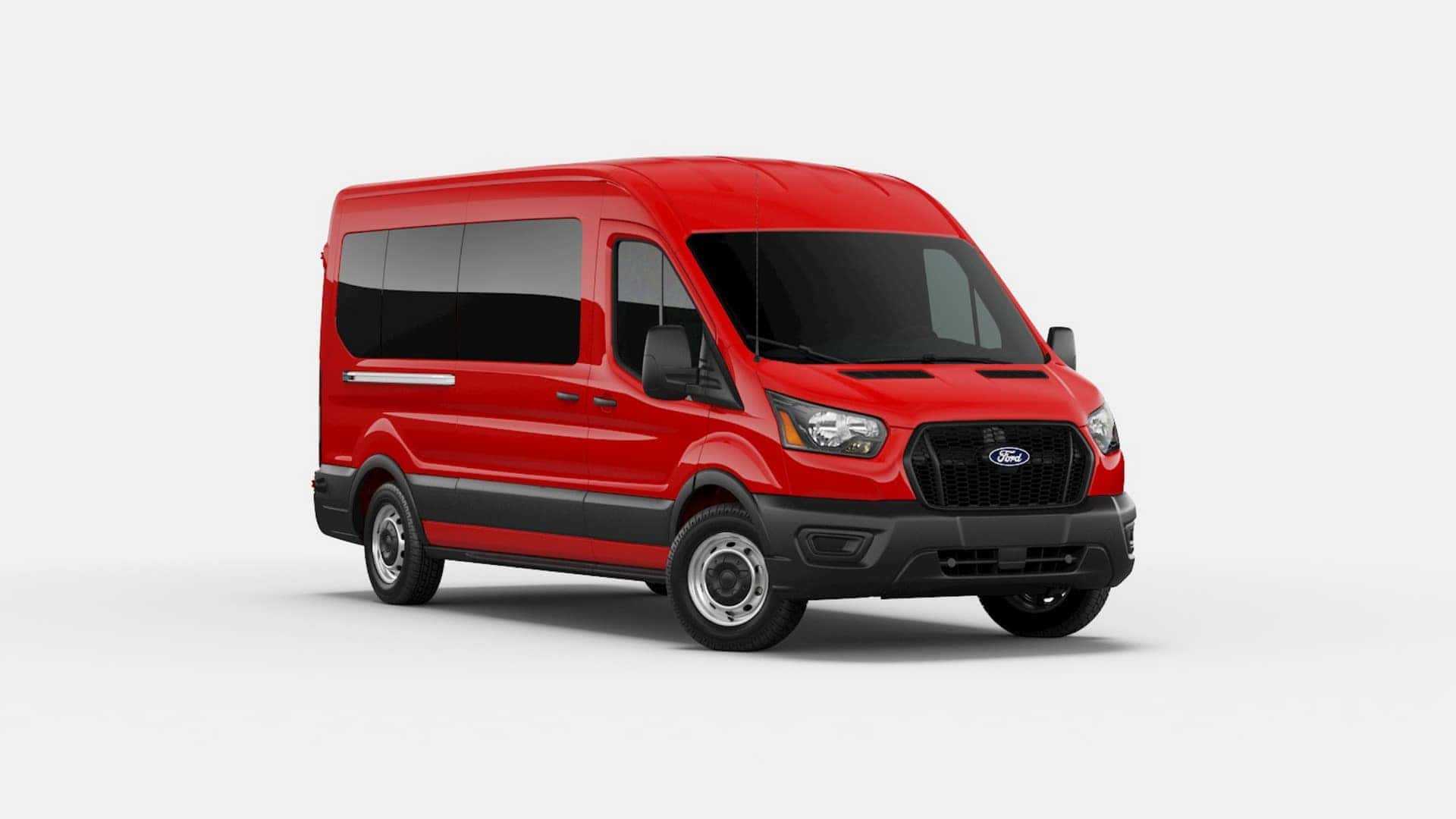
The 2026 Ford Transit® is engineered to support cargo transportation, passenger movement, fleet operation, and utility-focused travel. Ford designed the 2026 Ford Transit® lineup with multiple capability configurations that allow operators to select a setup based on payload demands, towing requirements, engine preference, and traction needs. The model offers two V6 engine options, a 10-speed automatic transmission, available Intelligent All-Wheel Drive, multiple fuel tank configurations, and substantial payload ratings for both cargo and passenger van applications.
The 2026 Ford Transit® platform continues to focus on operational flexibility. Cargo van models prioritize hauling capability and storage support, while passenger van models provide transportation capacity combined with functional payload strength. The 2026 model also integrates towing capability through the available Heavy-Duty Trailer Tow Package. Each major specification contributes to utility, drivability, and long-distance operational support.
Engine Configurations Designed for Different Workloads
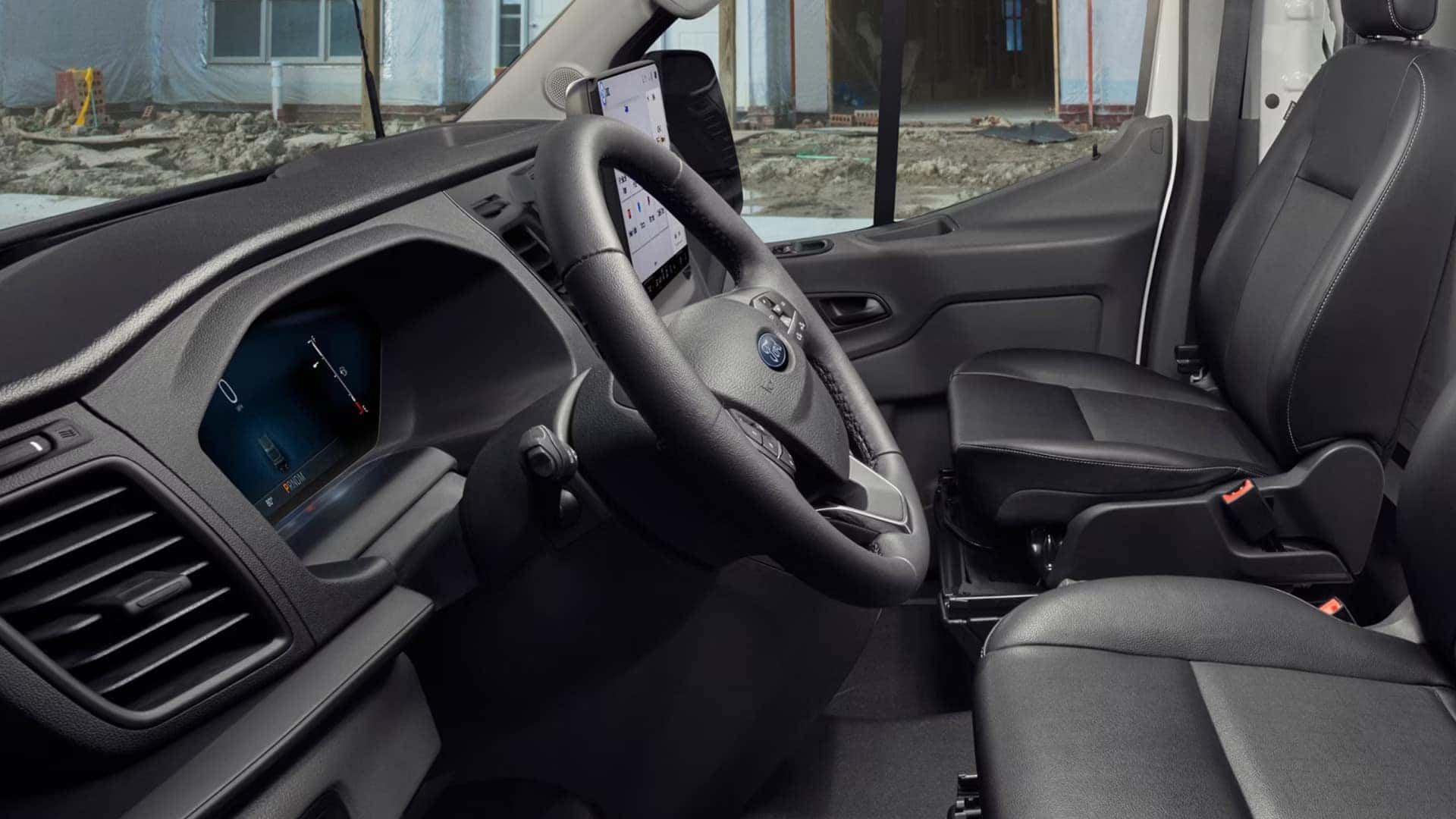
The 2026 Ford Transit® provides two engine options. The standard engine is a 3.5L V6 equipped with Ford’s port-fuel/direct-injection system. This engine produces 275 horsepower and 260 lb-ft of torque. The configuration supports daily hauling, cargo transportation, passenger movement, and commercial driving applications that require consistent output across varying conditions.
The available 3.5L EcoBoost® V6 increases output to 300 horsepower and 400 lb-ft of torque. The additional torque improves acceleration under load and supports towing performance during demanding driving conditions. Commercial operators transporting heavier equipment or carrying larger payloads may benefit from the increased low-end torque delivery available from the EcoBoost® engine.
Both engine options pair with a Ford 10-speed automatic transmission. The transmission is calibrated to provide smooth gear transitions and controlled power distribution during acceleration, highway travel, and loaded operation. The broader gear range also helps maintain stable engine performance during changing driving conditions. Drivers operating cargo vans in urban delivery environments or passenger vans during extended highway travel may notice improved shift consistency and controlled power application.

Intelligent Drivetrain Engineering Supports Traction and Stability
The 2026 Ford Transit® offers available Intelligent All-Wheel Drive for operators requiring improved traction management and handling support. The system is engineered to maximize traction during changing road conditions without altering the van’s interior floor height or seat positioning. This configuration allows the 2026 Ford Transit® to retain functional cabin access and cargo loading characteristics while incorporating additional drivetrain capability.
The available AWD system is integrated directly into the vehicle structure. Drivers operating in rain, gravel, uneven pavement, or seasonal driving conditions may benefit from the additional traction management provided by the system. The drivetrain design also supports handling consistency during passenger transport and loaded cargo operation.
Maintaining the standard floor height is an important design factor for commercial vans. Cargo loading efficiency, passenger entry, and cabin accessibility remain unchanged despite the addition of available All-Wheel Drive capability. Ford’s packaging approach allows operators to add traction support without reducing interior practicality.
Payload Capacity Supports Commercial and Passenger Functions
Payload capability remains one of the most important technical specifications within the 2026 Ford Transit® lineup. Cargo van configurations offer a maximum payload rating of 5,103 lbs. This capacity supports the transportation of tools, equipment, construction materials, service components, conversion equipment, and operational cargo.
Passenger van configurations provide a maximum payload rating of 3,401 lbs. This specification allows passenger-oriented models to maintain carrying capability while supporting transportation requirements for group travel, organizational use, and shuttle operation.
Payload ratings directly affect operational flexibility. Commercial operators often require sufficient carrying capacity to reduce transportation cycles and improve route efficiency. Passenger operators also require additional support for luggage, equipment, or supplemental cargo. Ford engineered the 2026 Ford Transit® lineup to provide capability across multiple use categories instead of limiting the platform to a single commercial purpose.
The 2026 Ford Transit® platform can also support vehicle upfitting and conversion applications. Operators frequently modify cargo vans for shelving systems, mobile workstations, storage installations, or specialized utility configurations. Strong payload capacity provides the structural support necessary for those modifications.
Heavy-Duty Towing Capability Expands Utility
The available Heavy-Duty Trailer Tow Package increases the operational capability of the 2026 Ford Transit®. Properly equipped 2026 Ford Transit® van models can tow up to 4,500 lbs. This specification supports the transportation of trailers, work equipment, utility systems, and supplemental cargo.
The Heavy-Duty Trailer Tow Package includes wiring provisions, a connector assembly, a frame-mounted hitch receiver, and rear jumpers. These integrated towing components support trailer connectivity and towing operation without requiring major aftermarket structural additions.
Towing capability extends the 2026 Ford Transit® platform beyond enclosed cargo transportation. Commercial operators may use towing functionality to transport additional tools, mobile equipment, or utility trailers. Passenger-oriented operators may also use towing support for travel equipment and supplemental hauling requirements.
Ford engineered the 2026 Ford Transit® towing system to integrate directly with the van’s existing structural and mechanical systems. The towing package complements the available engine configurations and transmission design by supporting controlled power delivery during trailer operation.
Fuel Tank Configurations Support Extended Operation
The 2026 Ford Transit® offers a standard 25-gallon fuel tank and an available 31-gallon fuel tank. The larger fuel tank configuration increases driving range between refueling stops and supports longer transportation routes.
Commercial drivers operating extended delivery schedules or regional transportation routes may benefit from fewer interruptions during operation. Passenger transportation providers may also gain additional route flexibility from the available fuel capacity increase.
The 31-gallon fuel tank configuration contributes to operational continuity during high-mileage usage. An extended driving range may improve scheduling efficiency by reducing time spent on fuel stops during long-distance travel or daily commercial operations.
Fuel tank flexibility also allows buyers to select a configuration that aligns with expected usage requirements. Operators focused on shorter urban routes may prioritize the standard setup, while long-distance users may prefer the larger-capacity system.
Cargo and Passenger Versatility Across Multiple Applications
The 2026 Ford Transit® platform supports multiple transportation categories through cargo and passenger van configurations. Cargo van models are engineered for hauling applications that require interior storage capacity and strong payload support. Passenger van models are designed for group transportation while maintaining functional carrying capability.
The 2026 Ford Transit® can support fleet service, contractor operation, passenger transportation, organizational travel, mobile service industries, and utility-focused driving applications. Its design allows businesses and operators to configure the platform according to operational requirements instead of adapting operations around a fixed vehicle layout.
Commercial operators frequently require flexibility as transportation demands change over time. A cargo van initially configured for equipment hauling may later support shelving systems, storage upgrades, or conversion equipment. Passenger-oriented models may support transportation programs requiring additional carrying capacity. The 2026 Ford Transit® structure accommodates these operational adjustments through its capability-focused engineering.
Transmission Design Supports Daily Driving Demands
The 10-speed automatic transmission plays a major role in the 2026 Ford Transit® driving experience. Commercial vans often operate under changing load conditions during daily use. Cargo weight, passenger count, road grade, stop frequency, and route conditions can all affect drivability.
Ford paired both available engines with the 10-speed automatic transmission to improve shift management and maintain consistent power application. The transmission supports controlled acceleration during loaded driving and highway operation. It also contributes to smoother transitions between gears during stop-and-go traffic conditions.
The wider gear ratio spread allows the transmission to adapt more effectively to changing vehicle demands. Drivers may experience more stable performance during acceleration, towing operations, or heavier payload transportation. The transmission calibration is designed to maintain controlled engine response throughout varying operational scenarios.
Structural Capability Supports Utility-Focused Operation
The 2026 Ford Transit® integrates multiple functional systems into a utility-oriented platform. Ford engineered the vehicle around transportation capability, configurability, and operational flexibility instead of emphasizing decorative design elements or non-essential features.
The available Intelligent All-Wheel Drive system improves traction support while maintaining cabin accessibility. The available Heavy-Duty Trailer Tow Package adds hauling capability without requiring extensive modifications. Payload ratings provide substantial carrying capacity for cargo and passenger applications. Fuel tank options support route flexibility and long-distance operation. Engine selections allow operators to choose between standard output and increased torque performance.
Each system contributes to a coordinated commercial and transportation platform. The 2026 Ford Transit® is designed to support operational requirements through measurable specifications instead of appearance-focused features.
Schedule a Test Ride Today
Drivers interested in examining the technical capability of the 2026 Ford Transit® can schedule a test drive at Friendship Ford of Bristol in Bristol, TN. A test drive provides the opportunity to evaluate the available 3.5L EcoBoost® V6 engine, the standard 3.5L V6 engine, and the operation of the 10-speed automatic transmission during active driving conditions. Visitors can also review payload configurations, towing equipment, fuel tank options, and available Intelligent All-Wheel Drive functionality. Examining the 2026 Ford Transit® in person allows drivers to compare cargo and passenger configurations based on operational requirements. Our team can also provide additional information regarding available capability-focused features and configuration options within the 2026 Ford Transit® lineup.
