

2026 Ford Transit® near Kingsport, TN
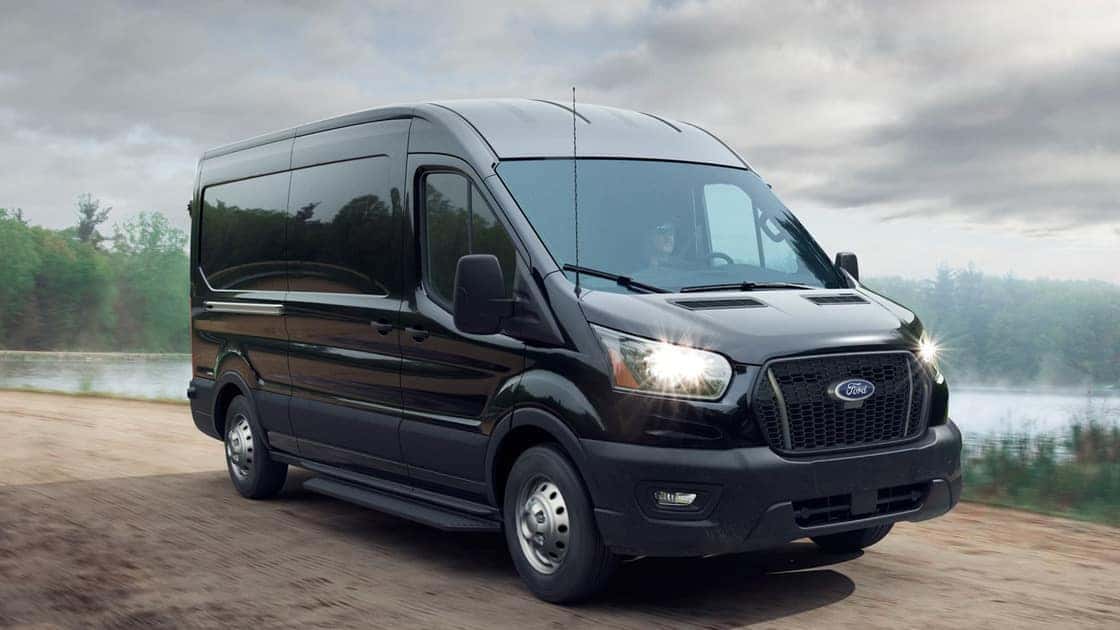
The 2026 Ford Transit® is engineered to support a wide range of commercial and passenger transport requirements through a combination of configurable powertrains, high payload ratings, and adaptable drivetrain systems. This model focuses on delivering consistent performance across varying load conditions while maintaining structural efficiency and interior usability. With two engine options, a 10-speed automatic transmission, and available Intelligent All-Wheel Drive, the 2026 Ford Transit® is designed to handle demanding operational tasks without compromising cargo space or passenger accommodations.
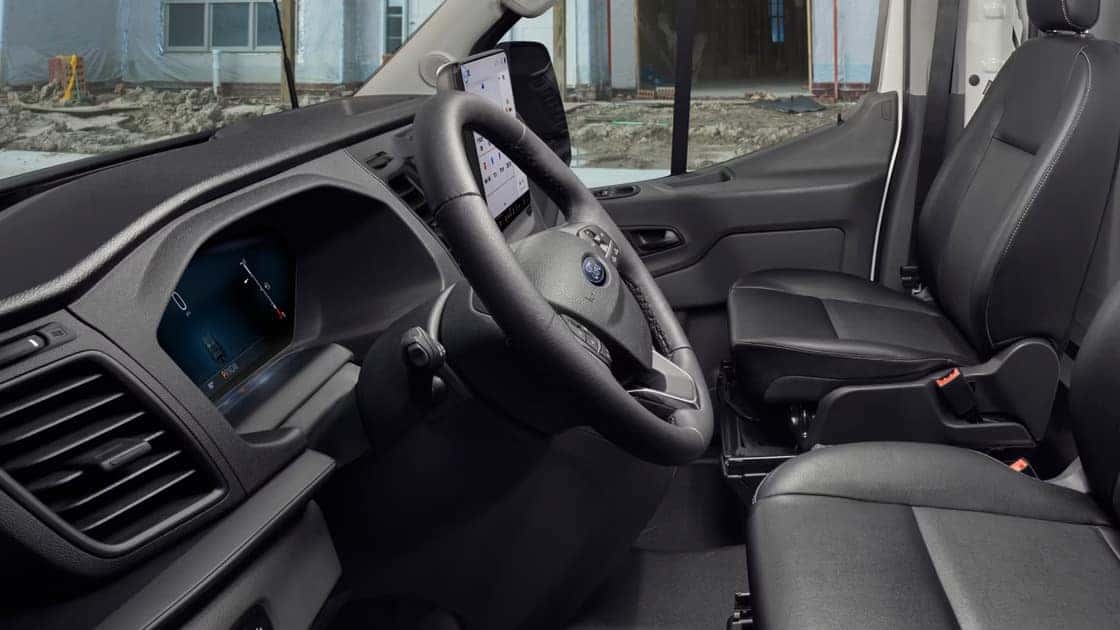
Engine Configurations and Output Specifications
The 2026 Ford Transit® provides two engine configurations designed to accommodate different levels of performance requirements. The standard engine is a 3.5-liter V6 equipped with a Ford-designed port-fuel and direct-injection system. This system produces 275 horsepower and 260 lb-ft of torque. The design of this engine focuses on maintaining consistent power delivery for daily operations that involve moderate payloads and frequent stop-and-go driving conditions.
An available 3.5-liter EcoBoost® V6 engine increases performance output to 300 horsepower and 400 lb-ft of torque. This engine is intended for applications requiring higher torque output, including transporting heavier cargo or maintaining stability under increased load conditions. The additional torque contributes to improved acceleration and sustained performance when the vehicle is fully loaded.
Both engine configurations are paired with a 10-speed automatic transmission. This transmission is calibrated to provide smooth gear transitions and efficient power distribution. The multiple gear ratios allow the system to adapt to different driving conditions by maintaining optimal engine performance across low-speed and highway driving scenarios. The transmission also supports improved fuel efficiency by reducing unnecessary engine strain during operation.
Transmission Efficiency and Power Distribution
The 10-speed automatic transmission plays a critical role in managing engine output and ensuring consistent performance. The system is designed to provide precise gear selection based on driving demands, including load weight and road conditions. The transmission allows the engine to operate within its optimal power band, which contributes to both efficiency and durability.
The wide range of gear ratios supports improved acceleration during initial movement and stable cruising at higher speeds. This configuration also reduces the frequency of gear hunting, which can occur in systems with fewer gears. The result is a controlled driving experience that supports both efficiency and long-term mechanical reliability.
Fuel Capacity and Operational Range
Fuel capacity is a key factor in determining operational efficiency, especially for vehicles used in extended routes or continuous service. The 2026 Ford Transit® offers a standard 25-gallon fuel tank, which provides sufficient capacity for routine operations and shorter routes. This configuration supports balanced fuel consumption and manageable refueling intervals.
An available 31-gallon fuel tank extends the operational range of the vehicle. This larger capacity allows for longer driving distances between refueling stops, which can reduce downtime and improve route efficiency. The increased fuel capacity is particularly beneficial for fleet operations and long-distance transport, where minimizing interruptions is essential for maintaining productivity.
Intelligent All-Wheel Drive System Integration
The available Intelligent All-Wheel Drive system enhances vehicle control by continuously monitoring traction conditions and distributing torque between the front and rear wheels. This system is designed to improve handling and stability across various road surfaces, including wet or uneven terrain.
The integration of the AWD system does not alter the vehicle’s load floor height or seating position. This design ensures that interior space remains fully usable for cargo or passengers. The system operates automatically without requiring driver input, allowing for consistent traction management under changing driving conditions.
The AWD system contributes to improved confidence during operation by maintaining stability and reducing wheel slip. This feature is particularly useful in environments where road conditions can vary frequently, requiring adaptive traction control.
Towing Capability and Trailer Integration
The 2026 Ford Transit® supports towing requirements through its available Heavy-Duty Trailer Tow Package. When properly equipped, the vehicle can tow up to 4,500 pounds. This capability allows the 2026 Ford Transit® to handle additional equipment, trailers, or cargo beyond its internal capacity.
The towing package includes integrated wiring provisions and a connector assembly to ensure reliable electrical communication between the vehicle and the trailer. A frame-mounted hitch receiver provides structural support for towing operations, while rear jumpers enhance compatibility with trailer systems.
The towing system is designed to maintain stability and control during operation. The combination of engine torque, transmission performance, and structural support ensures that towing tasks can be completed efficiently without compromising vehicle handling.
Payload Capacity and Load Management
Payload capacity is a defining feature of the 2026 Ford Transit®, supporting a range of commercial and passenger transport applications. Cargo van configurations provide a maximum payload capacity of up to 5,103 pounds. This capacity allows for the transport of heavy equipment, tools, and materials required for various industries.
Passenger van configurations offer a maximum payload capacity of 3,401 pounds. This capacity supports the transport of occupants along with additional cargo, maintaining balance between passenger comfort and functional utility.
The vehicle’s structural design supports these payload capacities by distributing weight evenly across the chassis. This ensures stability during operation and reduces the risk of excessive strain on individual components. The payload capacity also contributes to operational efficiency by enabling larger quantities of goods or equipment to be transported in a single trip.
Structural Design and Configurability
The 2026 Ford Transit® is designed with a focus on adaptability, offering multiple configurations to meet specific operational requirements. The vehicle is available in various body styles, allowing users to select the appropriate layout for cargo or passenger transport.
The design emphasizes efficient use of interior space, ensuring that cargo areas can be utilized effectively without unnecessary obstructions. The structure also supports customization for specialized applications, including service vehicles and transport solutions that require specific interior arrangements.
The ability to configure the vehicle according to operational needs allows for increased versatility. This ensures that the 2026 Ford Transit® can support a wide range of industries without requiring extensive modifications.
Driving Dynamics and Load Adaptation
Driving dynamics in the 2026 Ford Transit® are influenced by the integration of engine performance, transmission efficiency, and drivetrain systems. The vehicle is designed to maintain stability and control under varying load conditions, ensuring consistent performance during both light and heavy-duty operations.
The combination of torque output and gear ratio management allows the vehicle to respond effectively to acceleration demands. This is particularly important when operating under full payload or during towing. The system ensures that power delivery remains consistent, reducing strain on the engine and supporting long-term reliability.
The vehicle’s handling characteristics are also influenced by its structural design, which supports balanced weight distribution. This contributes to improved control and predictable behavior during operation.
Integrated Performance Features for Operational Efficiency
The 2026 Ford Transit® combines multiple performance features to support efficiency and productivity. The availability of two engine options allows users to select the appropriate level of power for their specific needs. The 10-speed transmission ensures that this power is utilized effectively across different driving conditions.
Fuel capacity options provide flexibility in managing operational range, while the AWD system enhances traction and stability. Towing capability and payload capacity further extend the vehicle’s functionality, allowing it to handle a variety of tasks without requiring additional equipment.
Schedule a Test Ride at Friendship Ford of Bristol
To explore the technical capabilities of the 2026 Ford Transit®, we invite you to visit Friendship Ford of Bristol near Kingsport, TN. Our team can provide a detailed overview of its engine configurations, transmission performance, and available drivetrain systems. A test drive allows you to assess how the 3.5L V6 or the available 3.5L EcoBoost® engine delivers power under different conditions. You can also evaluate the responsiveness of the 10-speed transmission and the added control provided by the Intelligent All-Wheel Drive system. Schedule a test ride to examine its payload capacity, towing capability, and overall performance in a controlled setting.
